
Carb cycling strategically alternates carb intake with workout intensity‚ optimizing fat loss and energy levels for women; a tailored meal plan is key․
What is Carb Cycling?
Carb cycling isn’t a diet‚ but rather a nuanced nutritional strategy․ It involves intentionally varying your carbohydrate intake on a daily or weekly basis‚ strategically aligning it with your activity levels and fitness goals․ Unlike consistently low-carb diets‚ carb cycling incorporates periods of higher carbohydrate consumption‚ typically on days you engage in more intense workouts․
The core principle revolves around manipulating insulin levels and glycogen stores․ Higher carb days replenish glycogen‚ fueling performance‚ while lower carb days encourage fat utilization for energy․ This approach aims to optimize both performance and body composition․ It’s about timing and quantity‚ not restriction‚ making it a flexible and sustainable approach for many women seeking to improve their fitness and well-being․
Benefits of Carb Cycling for Female Weight Loss
Carb cycling offers several advantages for female weight loss‚ addressing unique physiological needs․ By strategically increasing carbs on workout days‚ it supports energy expenditure and muscle recovery‚ crucial for maintaining a healthy metabolism․ Lower-carb days promote fat burning by encouraging the body to tap into stored fat reserves for fuel․
This method can also improve insulin sensitivity‚ a common concern for women‚ leading to better nutrient partitioning and reduced fat storage․ Furthermore‚ carb cycling can prevent metabolic slowdown often associated with prolonged calorie restriction․ It’s a more sustainable approach‚ minimizing cravings and promoting adherence‚ ultimately leading to more consistent and long-term weight management results․
Why Carb Cycling is Different for Women
Women experience hormonal fluctuations throughout their menstrual cycle‚ impacting carbohydrate needs and metabolism․ Unlike a standard diet‚ carb cycling acknowledges these shifts‚ adjusting intake to align with hormonal phases․ Higher carb days can coincide with periods of increased energy expenditure or hormonal sensitivity‚ supporting mood and reducing cravings․
Women generally have a lower muscle mass than men‚ influencing carbohydrate utilization․ Carb cycling allows for strategic carb timing around workouts‚ maximizing glycogen replenishment and supporting muscle recovery․ It’s also crucial to consider individual responses and adjust carb levels accordingly‚ recognizing that every woman’s body is unique and will respond differently to this approach․

Understanding the Carb Cycling Phases
Carb cycling involves distinct phases: high-carb for fueling workouts‚ low-carb to promote fat burning‚ and moderate-carb for balanced energy levels․
High-Carb Days: Fueling Workouts
High-carb days are strategically aligned with intense training sessions‚ maximizing performance and recovery․ These days prioritize complex carbohydrates to replenish glycogen stores depleted during exercise․ Approximately 200 grams of carbohydrates are consumed‚ supporting energy demands and muscle growth․ Focus on nutrient-dense sources like sweet potatoes‚ quinoa‚ and brown rice․
Timing is crucial; consume a significant portion of carbs before and after workouts․ This ensures adequate fuel for activity and facilitates optimal muscle recovery․ Protein intake remains consistent‚ aiding in muscle repair and growth alongside carbohydrate replenishment․ High-carb days aren’t “free-for-all” but rather precisely planned to enhance training adaptations and overall results․
Low-Carb Days: Promoting Fat Burning
Low-carb days‚ typically around 50-75 grams of carbohydrates‚ are designed to enhance fat oxidation and improve insulin sensitivity․ These days coincide with rest or low-intensity activity‚ shifting the body’s primary fuel source from glucose to stored fat․ Prioritize non-starchy vegetables‚ lean proteins‚ and healthy fats to maintain satiety and support metabolic function․

Reducing carbohydrate intake encourages the body to tap into fat reserves for energy․ This metabolic shift is crucial for weight loss and body composition improvements․ Adequate protein intake is vital to preserve muscle mass during periods of carbohydrate restriction․ Hydration is also key‚ as low-carb diets can have a diuretic effect․
Moderate-Carb Days: Balancing Energy
Moderate-carb days‚ falling between high and low-carb intakes‚ serve as a bridge to sustain energy levels and support recovery․ Typically ranging from 75-100 grams of carbohydrates‚ these days are ideal for moderate-intensity workouts or active recovery sessions․ They prevent metabolic slowdown and maintain hormonal balance‚ crucial for women․
Focus on complex carbohydrates like sweet potatoes‚ quinoa‚ or brown rice alongside lean protein and healthy fats․ This balance provides sustained energy without causing significant insulin spikes․ Moderate-carb days help replenish glycogen stores depleted during higher-intensity activity‚ preparing the body for subsequent training sessions․ They are essential for long-term adherence and preventing plateaus․

4-Week Female Carb Cycling Meal Plan Overview
This meal plan progressively reduces carb intake weekly‚ incorporating training‚ rest‚ and refeed days to optimize fat loss and enhance metabolic flexibility․
Week 1: Initial Carb Cycling (200g Carbs/Day)
Week 1 focuses on establishing the carb cycling rhythm with a relatively higher carb intake of 200 grams daily․ This phase aims to fuel workouts effectively and introduce your body to the fluctuations․ Prioritize complex carbohydrates like sweet potatoes‚ quinoa‚ and brown rice‚ spreading them throughout the day․
Ensure adequate protein intake to support muscle recovery and satiety․ Healthy fats should also be included‚ but in moderate amounts․ This initial week serves as a baseline‚ allowing you to assess your body’s response to increased carbohydrate consumption․ Pay attention to energy levels and workout performance․ This is a crucial step before reducing carb intake in subsequent weeks‚ setting the stage for successful fat loss․
Week 2: Reducing Carb Intake (150g Carbs/Day)
Week 2 initiates a reduction in carb intake to 150 grams per day‚ gently shifting the body towards increased fat utilization․ Continue prioritizing complex carb sources‚ but decrease portion sizes․ Focus on timing carbs around your workouts – consuming a larger portion pre- or post-exercise to replenish glycogen stores․
Maintain consistent protein intake to preserve lean muscle mass․ Monitor energy levels closely‚ as this reduction may initially cause slight fatigue․ Adjust meal timings or snack choices if needed․ This week is about finding the sweet spot where you still feel energized for workouts while promoting fat burning․ Careful tracking of your body’s response is essential for optimal results․
Week 3: Further Carb Reduction (100g Carbs/Day)
Week 3 involves a more significant carb reduction to 100 grams daily‚ deepening the metabolic shift towards fat burning․ Prioritize non-starchy vegetables as your primary carb source‚ and carefully measure portions․ Continue strategically timing carbs around intense workouts to fuel performance and recovery․
Pay close attention to hydration and electrolyte balance‚ as lower carb intake can lead to increased water loss․ Expect potential adjustments in energy levels and workout intensity․ Listen to your body and don’t hesitate to modify activity levels if needed․ This phase requires diligent tracking and a commitment to consistent‚ mindful eating habits for continued progress․
Week 4: Maintenance & Refeed (Variable Carbs)
Week 4 introduces a refeed strategy alongside maintenance‚ varying carb intake to prevent metabolic adaptation․ Include one higher-carb day (around 150-200g) coinciding with a challenging workout to replenish glycogen stores and boost leptin levels․ The remaining days maintain approximately 75-100g of carbs․
This phase focuses on solidifying results and establishing a sustainable approach․ Monitor your body’s response to the refeed‚ noting changes in energy‚ mood‚ and weight․ Continue prioritizing whole foods and lean protein․ This week is about finding a balance that supports long-term health and fitness goals‚ transitioning towards a personalized eating pattern․
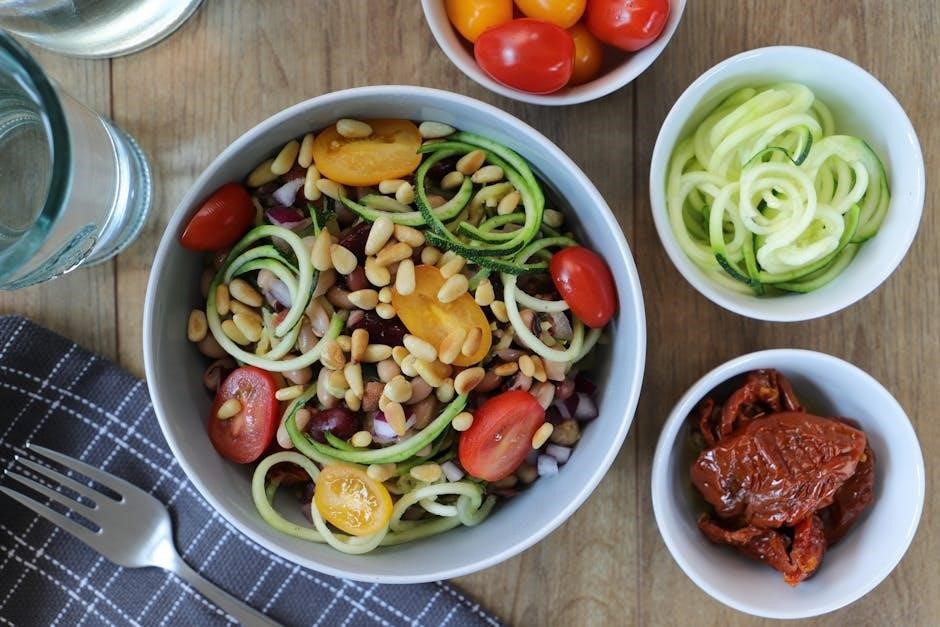
Sample Meal Plans (1200-1500 Calories)
These meal plans‚ ranging from 1200-1500 calories‚ demonstrate carb intake variations for high‚ low‚ and moderate carb days‚ supporting weight loss․
High-Carb Day Meal Plan (Approx․ 200g Carbs)
High-carb days coincide with intense workouts‚ replenishing glycogen stores and fueling performance․ Prioritize complex carbohydrates for sustained energy․
Breakfast Options
- Oatmeal (1/2 cup dry) with berries (1 cup) and a scoop of protein powder․
- Whole-wheat toast (2 slices) with avocado (1/4) and eggs (2)․
Lunch Options
- Sweet potato (1 medium) with grilled chicken (4oz) and a side salad․
- Quinoa bowl (1 cup cooked) with black beans‚ corn‚ and salsa․
Dinner Options
- Salmon (4oz) with brown rice (1 cup cooked) and steamed broccoli․
- Whole-wheat pasta (1․5 cups cooked) with lean ground turkey and marinara sauce․
Remember to adjust portion sizes based on individual caloric needs and activity levels․ Hydration is crucial on these higher-energy days․
Kickstart your day with breakfasts designed to provide sustained energy and support your carb cycling goals․ These options prioritize complex carbohydrates and protein for optimal fueling․
- Oatmeal Power Bowl: ½ cup dry oatmeal cooked with 1 cup berries (strawberries‚ blueberries‚ raspberries) and 1 scoop whey or plant-based protein powder․ A sprinkle of chia seeds adds healthy fats․
- Whole-Wheat Toast with Avocado & Eggs: 2 slices whole-wheat toast topped with ¼ avocado and 2 eggs (poached or scrambled)․ Season with everything bagel seasoning․
- Greek Yogurt Parfait: 1 cup Greek yogurt layered with ½ cup granola and ½ cup mixed fruit․
Adjust portion sizes to fit your individual caloric needs․ Remember to drink water alongside your breakfast!
Fuel your afternoon with these satisfying and nutritious lunch choices‚ carefully crafted to complement your carb cycling strategy․ These options balance protein‚ healthy fats‚ and appropriate carbohydrate levels․
- Quinoa Salad with Grilled Chicken: 1 cup cooked quinoa‚ 4oz grilled chicken breast‚ ½ cup chopped vegetables (cucumber‚ bell peppers‚ tomatoes)‚ and a light vinaigrette dressing․
- Turkey & Avocado Wrap: Whole-wheat tortilla filled with 4oz sliced turkey breast‚ ¼ avocado‚ spinach‚ and a smear of mustard․
- Lentil Soup with a Side Salad: 1․5 cups lentil soup paired with a mixed green salad with a lemon-herb dressing․
Prioritize lean protein sources and non-starchy vegetables․ Hydrate with water or unsweetened tea․
Conclude your day with these delicious and balanced dinner options‚ designed to support recovery and optimize your carb cycling results․ Focus on lean protein‚ healthy fats‚ and appropriate carbohydrate intake based on your daily carb target․
- Baked Salmon with Roasted Vegetables: 4oz baked salmon‚ 1 cup roasted broccoli and sweet potatoes (adjust sweet potato portion based on carb level)․
- Chicken Stir-Fry with Brown Rice: 4oz chicken breast stir-fried with mixed vegetables and ½ cup cooked brown rice․
- Lean Ground Turkey with Zucchini Noodles: 4oz lean ground turkey sautéed with zucchini noodles and marinara sauce․
Remember to portion control and prioritize whole‚ unprocessed foods․ Enjoy a relaxing evening!
Low-Carb Day Meal Plan (Approx․ 50-75g Carbs)
This plan prioritizes fat burning and utilizes minimal carbohydrates to encourage your body to tap into stored fat reserves․ Focus on protein and healthy fats for sustained energy․ Hydration is crucial on low-carb days to manage electrolyte balance․

Total Calories: Approximately 1200-1500
- Breakfast: Scrambled eggs with spinach and avocado (10-15g carbs)
- Lunch: Large salad with grilled chicken or fish‚ olive oil and vinegar dressing (15-20g carbs)
- Dinner: Baked salmon with steamed green beans (10-15g carbs)
Snacks can include a handful of almonds or a small serving of berries․ Adjust portion sizes to meet your individual caloric needs․

Begin your high-carb days with breakfasts designed to replenish glycogen stores and fuel intense workouts․ These options prioritize complex carbohydrates for sustained energy release․ Remember to pair carbs with protein to support muscle recovery and satiety․
- Oatmeal with Berries & Nuts: ½ cup oatmeal‚ ½ cup berries‚ 1 tbsp nuts (approx․ 40-50g carbs)
- Whole-Wheat Toast with Avocado & Egg: 2 slices whole-wheat toast‚ ¼ avocado‚ 1 egg (approx․ 30-40g carbs)
- Greek Yogurt with Granola & Fruit: 1 cup Greek yogurt‚ ¼ cup granola‚ ½ cup fruit (approx․ 35-45g carbs)
Adjust portion sizes based on your individual carbohydrate targets and activity level․ Prioritize whole‚ unprocessed carbohydrate sources․
Lunch on high-carb days should continue to provide sustained energy for afternoon activities or a second workout․ Focus on balanced meals incorporating lean protein‚ healthy fats‚ and complex carbohydrates․ These options are designed to keep you feeling full and energized without causing energy crashes․
- Sweet Potato & Chicken Salad: 1 medium sweet potato‚ 4oz grilled chicken‚ mixed greens (approx․ 40-50g carbs)
- Quinoa Bowl with Black Beans & Veggies: 1 cup quinoa‚ ½ cup black beans‚ assorted vegetables (approx․ 50-60g carbs)
- Whole-Wheat Wrap with Turkey & Hummus: Whole-wheat wrap‚ 4oz turkey breast‚ 2 tbsp hummus‚ spinach (approx․ 30-40g carbs)
Remember to adjust portion sizes to meet your daily carb goals․ Hydrate well throughout the afternoon․
Dinner‚ even on high-carb days‚ should prioritize nutrient density and support recovery․ Opt for lean protein sources paired with moderate portions of complex carbohydrates and plenty of non-starchy vegetables․ These options are designed to promote satiety and aid in muscle repair overnight․
- Salmon with Roasted Vegetables & Brown Rice: 4oz salmon‚ 1 cup roasted vegetables‚ ½ cup brown rice (approx․ 40-50g carbs)
- Chicken Stir-Fry with Quinoa: 4oz chicken breast‚ mixed vegetables‚ 1 cup quinoa (approx․ 50-60g carbs)
- Lentil Soup with Whole-Wheat Bread: 1․5 cups lentil soup‚ 1 slice whole-wheat bread (approx․ 30-40g carbs)
Prioritize mindful eating and enjoy your meal․ Ensure adequate hydration before bed․

Food Choices for Carb Cycling Success
Strategic food selection—complex carbs‚ healthy fats‚ and lean proteins—is crucial for maximizing results and supporting hormonal balance during carb cycling․
Best Carb Sources for High-Carb Days
On high-carb days‚ prioritize complex carbohydrates that provide sustained energy for workouts and replenish glycogen stores․ Excellent choices include sweet potatoes‚ offering vital nutrients alongside carbohydrates‚ and quinoa‚ a complete protein source with a low glycemic index․ Brown rice is another fantastic option‚ delivering fiber and sustained energy release․
Fruits like berries (blueberries‚ raspberries) and bananas are beneficial‚ providing quick-digesting carbohydrates ideal before or after exercise․ Oatmeal‚ particularly steel-cut oats‚ offers a slow-releasing carbohydrate source‚ promoting satiety․ Remember to consider portion sizes to align with your daily carb targets․ These sources support intense training and optimize recovery‚ crucial components of a successful carb cycling strategy for women․
Healthy Fat Sources for Low-Carb Days
During low-carb phases‚ healthy fats become your primary energy source‚ promoting satiety and supporting hormonal balance․ Avocados are a superb choice‚ packed with monounsaturated fats and fiber․ Olive oil‚ especially extra virgin‚ provides heart-healthy fats and antioxidants for cooking and dressings․ Nuts and seeds – almonds‚ walnuts‚ chia seeds‚ flaxseeds – offer a convenient and nutritious fat boost․
Fatty fish like salmon and mackerel are rich in omega-3 fatty acids‚ crucial for overall health and reducing inflammation․ Coconut oil can be used in moderation for cooking․ Prioritize these fats to maintain energy levels and support metabolic flexibility while minimizing carb intake‚ essential for effective fat burning during carb cycling․
Lean Protein Sources for All Days
Consistent protein intake is vital throughout carb cycling‚ supporting muscle maintenance‚ boosting metabolism‚ and enhancing satiety․ Chicken breast is a classic lean protein source‚ versatile for various meals․ Turkey breast offers a similar nutritional profile‚ being low in fat and high in protein․ Fish‚ particularly white fish like cod and haddock‚ provides lean protein and essential nutrients․
Eggs are a complete protein source‚ offering all essential amino acids․ Greek yogurt is a convenient option‚ packed with protein and probiotics․ Lean beef‚ in moderation‚ can also contribute to protein intake․ Prioritizing these sources ensures adequate protein consumption across all carb cycling phases‚ optimizing results․

Tracking Progress & Adjustments
Monitoring macronutrient intake and body responses is crucial; adjust carb levels based on results and always prioritize listening to your body’s signals․
Monitoring Macronutrient Intake
Precisely tracking your macronutrient intake – carbohydrates‚ proteins‚ and fats – is fundamental to successful carb cycling․ Utilize food scales and reliable nutrition tracking apps to accurately log everything consumed․ This detailed record-keeping allows for informed adjustments to your carb cycling plan‚ ensuring you’re hitting your target ranges on high‚ low‚ and moderate carb days․
Pay close attention to your carbohydrate grams‚ as this is the primary variable being manipulated․ Consistent monitoring reveals how your body responds to different carb levels‚ influencing energy levels‚ workout performance‚ and weight loss progress․ Don’t solely focus on numbers; observe how you feel alongside the data․ Regular tracking provides valuable insights for optimizing your personalized carb cycling strategy․
Adjusting Carb Levels Based on Results
Regularly evaluate your progress and be prepared to adjust carb levels accordingly․ If weight loss stalls or energy levels plummet on low-carb days‚ slightly increase carbohydrate intake․ Conversely‚ if you’re not seeing desired results on high-carb days‚ consider reducing the amount․ This isn’t a rigid plan; it’s a dynamic process tailored to your individual metabolic response․
Monitor changes in body composition‚ strength‚ and overall well-being․ Track measurements like waist circumference and body fat percentage alongside weight․ Remember‚ results aren’t always linear․ Plateaus are normal․ Fine-tuning carb intake based on consistent monitoring ensures continued progress and prevents frustration․ Patience and adaptability are key to long-term success․
Importance of Listening to Your Body
Prioritize internal cues over strict adherence to the plan․ Carb cycling impacts everyone differently; hormonal fluctuations and individual metabolisms play a significant role․ Pay attention to energy levels‚ mood‚ sleep quality‚ and hunger signals․ If you consistently feel fatigued or experience intense cravings‚ reassess your carb intake․
Don’t ignore signs of overtraining or under-fueling․ Adjust the plan based on how you feel‚ not just what the numbers say․ A successful carb cycling approach is sustainable and enjoyable․ It shouldn’t feel restrictive or punishing․ Trust your intuition and make modifications as needed to support your overall health and well-being․