
Jim Knight Instructional Coaching: A Comprehensive Guide
Jim Knight’s model centers on empowering teachers through collaborative conversations‚ focusing on beliefs‚ cycles‚ skills‚ and knowledge—resources are often sought in PDF format.
Jim Knight’s instructional coaching model isn’t a prescriptive program‚ but a framework built on partnership and dialogue‚ aiming to improve teaching and student outcomes. It emphasizes a collaborative relationship where coaches and teachers work as equals. Many educators seek resources‚ often in PDF form‚ to understand and implement this approach effectively.
The model’s core lies in the belief that teachers are best served by professional learning that is tailored to their specific needs and goals‚ fostering a culture of continuous improvement. Finding comprehensive guides‚ including those available as PDF downloads‚ is crucial for successful implementation.
The Core Philosophy of Partnership
Jim Knight’s coaching philosophy fundamentally rests on the idea of partnership – a relationship built on equality between coach and teacher. This isn’t mentorship or evaluation‚ but a collaborative dialogue focused on growth. Accessing detailed explanations‚ often found in PDF guides‚ clarifies this crucial distinction.
The model prioritizes mutual respect and shared responsibility for improvement. Teachers are viewed as experts in their classrooms‚ and coaches as facilitators of their professional journey. Many seek PDF resources to fully grasp this partnership dynamic and its benefits.
The Four Key Components of the Model
Jim Knight’s instructional coaching model is structured around four interconnected components: beliefs‚ the coaching cycle‚ essential coaching skills‚ and strategic knowledge. Understanding these elements‚ often detailed in comprehensive PDF documents‚ is vital for successful implementation.
These components aren’t isolated; they work synergistically to foster teacher growth. Many educators utilize PDF guides to explore each component’s nuances and how they contribute to a robust coaching program‚ ultimately enhancing student success through empowered teachers.

Beliefs Underlying the Coaching Process
Jim Knight’s model prioritizes equality and collaboration‚ viewing coaching as a partnership between equals—principles often outlined in detailed PDF resources.
Equality and Collaboration
Jim Knight’s instructional coaching fundamentally rests on the belief that teachers are professionals capable of self-improvement‚ and the coach serves as a partner‚ not a director. This collaborative approach‚ detailed in numerous PDF guides‚ emphasizes mutual respect and shared decision-making.
The coach and teacher work together to identify goals and strategies‚ fostering a learning environment where both contribute equally. This isn’t about “fixing” teachers‚ but about supporting their growth through dialogue and shared expertise‚ often documented in accessible PDF materials for implementation.
Focus on Teacher Growth
Jim Knight’s coaching model prioritizes sustained teacher development‚ shifting away from quick-fix solutions towards long-term professional learning. Many readily available PDF resources highlight this commitment to growth‚ emphasizing continuous improvement rather than evaluation.
The aim isn’t simply to implement new strategies‚ but to cultivate teachers’ capacity for self-reflection and ongoing learning. Coaches support teachers in analyzing their practice and identifying areas for development‚ often utilizing frameworks detailed in comprehensive PDF guides.
The Importance of Research-Based Practices
Jim Knight’s instructional coaching model is firmly grounded in educational research‚ advocating for strategies proven to enhance student outcomes. Numerous PDF documents detailing his approach emphasize the use of evidence-based techniques‚ moving beyond anecdotal evidence.
Coaches utilizing this model guide teachers in exploring and implementing practices supported by rigorous studies‚ often referencing research findings within downloadable PDF resources. This commitment ensures interventions are likely to positively impact teaching and learning.

The Jim Knight Coaching Cycle
Jim Knight’s cycle—focusing on identifying areas‚ planning‚ implementation‚ and reflection—is detailed in readily available PDF guides for effective teacher growth.
Identifying a Focus Area
Identifying a focus area within Jim Knight’s coaching model begins with collaborative dialogue‚ ensuring alignment with school-wide goals and teacher needs. Many PDF resources detail this initial step‚ emphasizing the importance of pinpointing specific instructional practices for improvement.
This process isn’t evaluative; instead‚ it’s about uncovering areas where focused support can yield the greatest impact on student learning. Coaches and teachers jointly analyze data‚ observe classroom dynamics‚ and consider individual teacher aspirations‚ often referencing PDF guides for structured approaches to this crucial phase.
Planning and Goal Setting
Following focus area identification‚ Jim Knight’s model emphasizes collaborative planning and goal setting. PDF resources highlight the need for SMART goals – Specific‚ Measurable‚ Achievable‚ Relevant‚ and Time-bound – co-created by coach and teacher.
This stage involves outlining specific actions‚ identifying necessary resources‚ and establishing timelines for implementation. Detailed PDF guides often provide templates for action plans‚ ensuring clarity and accountability. The focus remains on teacher agency and professional growth‚ fostering a supportive environment for experimentation.
Implementation and Observation
Jim Knight’s coaching model’s implementation and observation phase centers on putting the collaboratively developed plan into action. PDF guides stress non-evaluative observation techniques‚ focusing on gathering data to inform reflection.
Coaches utilize observation protocols‚ often found within PDF resources‚ to objectively document classroom practices. This isn’t about judgment‚ but about providing concrete evidence for discussion. The goal is to support teachers in refining their strategies and achieving their established goals‚ fostering continuous improvement.
Reflection and Feedback
Reflection and feedback‚ crucial in Jim Knight’s model‚ move beyond simple praise or criticism. PDF resources emphasize a collaborative dialogue where teachers analyze observation data and assess their progress toward goals.
Feedback should be specific‚ descriptive‚ and focused on impact‚ not personality. Coaches‚ utilizing frameworks often detailed in PDF guides‚ facilitate self-reflection‚ prompting teachers to identify areas for growth and refine their instructional practices. This cycle builds agency and ownership.
Essential Coaching Skills
Jim Knight’s coaching hinges on active listening‚ powerful questioning‚ constructive feedback‚ and non-evaluative observation—skills often detailed in PDF training materials.
Active Listening Techniques
Jim Knight’s coaching model prioritizes truly hearing the teacher’s perspective. Active listening involves paying close attention‚ reflecting back understanding‚ and asking clarifying questions—techniques often outlined in PDF guides.
This isn’t simply hearing words‚ but grasping the underlying emotions and intentions. PDF resources emphasize paraphrasing to confirm comprehension and using non-verbal cues to show engagement. Avoiding interruptions and judgments fosters a safe space for open dialogue‚ crucial for impactful coaching‚ as detailed in available PDF materials.
Powerful Questioning Strategies
Jim Knight’s coaching hinges on questions that stimulate reflection‚ not provide answers. These aren’t simple inquiries‚ but prompts designed to unlock a teacher’s own expertise—strategies often detailed in PDF resources.
Effective questions are open-ended‚ encouraging exploration of practice. PDF guides highlight the importance of avoiding leading questions and focusing on the teacher’s reasoning. This approach‚ central to the model‚ empowers teachers to identify solutions‚ as explained in comprehensive PDF documentation.
Providing Constructive Feedback
Jim Knight’s coaching model emphasizes feedback as a collaborative process‚ distinct from evaluation. Constructive feedback‚ often outlined in PDF guides‚ focuses on impact rather than intent‚ prompting teachers to analyze student learning.
PDF resources stress specificity and linking observations to research-based practices. The goal isn’t to “fix” a teacher‚ but to facilitate growth through thoughtful dialogue—a core tenet detailed in comprehensive PDF materials. This approach fosters trust and encourages continuous improvement.
Non-Evaluative Observation
Jim Knight’s coaching model prioritizes non-evaluative observation‚ a cornerstone detailed in numerous PDF resources. This means observing teaching without judgment‚ focusing solely on gathering data to support teacher growth.
PDF guides emphasize observing specific behaviors and their impact on student learning‚ avoiding subjective assessments. The aim is to create a safe space for reflection‚ fostering trust and open dialogue—principles thoroughly explained in available PDF materials. This approach is vital for effective coaching.

Strategic Knowledge for Effective Coaching
PDF resources highlight the need for coaches to understand curriculum‚ learning theories‚ and assessments—essential for guiding teachers effectively‚ as Jim Knight advocates.
Understanding Curriculum and Instruction
Jim Knight’s coaching model emphasizes a deep understanding of the curriculum teachers utilize and the instructional strategies they employ. PDF guides often detail how coaches can collaboratively explore lesson design‚ alignment with standards‚ and effective pedagogical approaches.
This strategic knowledge allows coaches to offer targeted support‚ moving beyond superficial observations to engage in meaningful dialogue about instructional practices. Coaches utilizing Jim Knight’s framework should be proficient in analyzing curriculum materials and identifying areas for improvement‚ ultimately enhancing student learning outcomes.
Knowledge of Learning Theories
A robust understanding of learning theories is crucial within Jim Knight’s instructional coaching model. PDF resources often highlight the importance of coaches being familiar with constructivism‚ cognitivism‚ and behaviorism‚ enabling them to support teachers in applying these principles effectively.
This theoretical foundation informs coaching conversations‚ allowing for deeper exploration of how students learn best and how instructional choices impact student understanding. Coaches can then guide teachers toward evidence-based practices aligned with sound learning theory.
Familiarity with Assessment Practices
Within Jim Knight’s coaching framework‚ a strong grasp of assessment is vital. PDF guides emphasize coaches needing expertise in formative and summative assessments‚ data analysis‚ and utilizing assessment results to inform instruction.
Coaches assist teachers in selecting appropriate assessment tools‚ interpreting data accurately‚ and making instructional adjustments based on student performance. This ensures assessments drive learning and support student growth‚ aligning with the model’s focus on impactful teaching practices.

The Three Approaches to Instructional Coaching
Jim Knight’s work details facilitative‚ dialogical‚ and direct coaching approaches‚ often outlined in PDF resources‚ each suited to different teacher needs and contexts.
Facilitative Coaching
Facilitative coaching‚ a cornerstone of Jim Knight’s model‚ prioritizes teacher autonomy and self-discovery. This approach‚ frequently detailed in PDF guides‚ centers on the coach asking questions and prompting reflection‚ rather than providing direct solutions.
The coach acts as a guide‚ helping teachers articulate their goals and identify strategies. PDF resources emphasize that this method is best when teachers are motivated and have a clear vision‚ needing support to refine their practice. It fosters ownership and sustainable growth.
Dialogical Coaching
Dialogical coaching‚ as outlined in Jim Knight’s work and often found in PDF resources‚ emphasizes a collaborative exploration of practice. It’s a reciprocal process where both coach and teacher learn with and from each other‚ engaging in thoughtful dialogue.
Unlike direct coaching‚ it doesn’t assume the coach holds all the answers. PDF guides highlight that this approach is ideal when both parties are open to questioning assumptions and co-constructing knowledge‚ leading to deeper understanding and innovation.
Direct Coaching
Direct coaching‚ detailed in Jim Knight’s model and accessible through various PDF guides‚ involves the coach offering specific suggestions and strategies. This approach is most effective when the teacher requests targeted assistance with a clearly defined challenge.
PDF resources emphasize that while direct‚ it should remain respectful and collaborative. It’s not about telling teachers what to do‚ but rather providing expert input based on research and best practices‚ accelerating skill development.

Comparing and Contrasting the Coaching Approaches
Jim Knight’s PDF resources detail three approaches—facilitative‚ dialogical‚ and direct—each suited to different teacher needs and contexts for optimal growth.
When to Use Facilitative Coaching
Jim Knight’s PDF guides suggest utilizing facilitative coaching when teachers are self-directed and possess a clear vision for improvement. This approach‚ detailed in his resources‚ empowers educators to explore solutions independently‚ with the coach acting as a sounding board.
It’s ideal when teachers are motivated to experiment and reflect‚ fostering ownership of their professional growth. Facilitative coaching‚ as outlined in downloadable materials‚ prioritizes teacher agency and supports self-discovery‚ building confidence and sustainable practices.
When to Use Dialogical Coaching
Jim Knight’s coaching model‚ often detailed in PDF resources‚ recommends dialogical coaching when teachers are grappling with complex problems and require collaborative exploration. This approach‚ as described in his publications‚ centers on a reciprocal dialogue between coach and teacher.
It’s particularly effective when teachers seek to refine their thinking‚ challenge assumptions‚ and co-construct new understandings. Dialogical coaching‚ found within downloadable guides‚ fosters mutual learning and supports teachers in navigating ambiguity‚ leading to innovative solutions.
When to Use Direct Coaching
Jim Knight’s instructional coaching model‚ often accessible in PDF form‚ suggests utilizing direct coaching when a teacher specifically requests targeted guidance on a particular skill or strategy. This approach‚ detailed in resources like “The Impact Cycle‚” involves the coach offering explicit instruction and modeling.
It’s most effective when teachers acknowledge a need for specific expertise and desire a more directive approach to professional development. Direct coaching‚ as outlined in downloadable materials‚ provides focused support for immediate implementation.
The Impact Cycle: A Framework for Coaching
Jim Knight’s “Impact Cycle‚” often found as a PDF‚ guides coaches through identifying goals‚ planning‚ implementing‚ and reflecting—driving teacher and student success.
Understanding the Phases of the Impact Cycle
Jim Knight’s Impact Cycle‚ frequently accessed as a PDF resource‚ unfolds in distinct phases. It begins with identifying a specific area for teacher growth‚ then moves into collaborative planning and setting achievable goals.
Next comes implementation‚ where the teacher tries new strategies‚ often with observation. Crucially‚ the cycle culminates in reflective conversations and constructive feedback‚ informing future practice; This iterative process‚ detailed in PDF guides‚ ensures continuous improvement and aligns coaching with broader school objectives‚ fostering a culture of professional learning.
Aligning Coaching with School Goals
Effective Jim Knight instructional coaching‚ often detailed in readily available PDF documents‚ isn’t isolated; it’s strategically linked to school-wide initiatives. The Impact Cycle framework emphasizes this alignment‚ ensuring coaching efforts directly support broader educational objectives.
By focusing on areas that contribute to school improvement plans‚ coaching maximizes its impact. PDF resources highlight the importance of collaborative goal setting between coaches and teachers‚ ensuring individual growth contributes to collective success and a unified vision.

Resources for Implementing the Jim Knight Model
Jim Knight’s publications and online courses offer guidance‚ while numerous educational websites provide valuable PDF resources for implementing his coaching model effectively.
Jim Knight’s Books and Publications
Jim Knight has authored several influential books central to understanding and implementing his instructional coaching model. Key publications‚ often available as PDF downloads or through purchase‚ include works detailing the impact cycle and coaching approaches.
These resources delve into the core philosophy of partnership‚ the coaching cycle’s phases‚ and essential skills. Exploring his writings provides a foundational understanding for coaches seeking to empower teachers and enhance student success. Accessing these materials is crucial for effective implementation.
Online Courses and Workshops
Numerous online platforms and workshops offer training based on Jim Knight’s instructional coaching model‚ sometimes providing course materials in PDF format. These professional development opportunities delve into the practical application of his techniques‚ covering the coaching cycle and essential skills.
Participants learn to facilitate growth‚ utilize powerful questioning‚ and provide constructive feedback. These courses often supplement his published works‚ offering interactive learning experiences for coaches aiming to deepen their understanding and expertise.
Professional Development Opportunities
Expanding expertise in Jim Knight’s model involves diverse professional development avenues‚ with some resources available as downloadable PDF guides. Workshops and extended courses focus on mastering the impact cycle and coaching approaches—facilitative‚ dialogical‚ and direct.
These opportunities equip educators with skills in active listening and strategic knowledge of curriculum. They often emphasize research-based practices‚ fostering teacher growth and ultimately‚ improved student outcomes through effective coaching strategies.

Finding Jim Knight Instructional Coaching PDF Resources
PDF resources are available from official sources and reputable educational websites‚ offering guides to implement Jim Knight’s coaching model effectively.
Official Sources for PDF Downloads
Jim Knight’s official website and associated platforms are the primary locations for authentic PDF resources related to his instructional coaching model. While a centralized repository isn’t always readily available‚ exploring publications listed on his site‚ often linked through Edthena‚ can lead to downloadable materials.
Furthermore‚ professional development organizations that partner with Jim Knight frequently offer supplementary PDF guides as part of workshop packages or training programs. Checking these partners’ websites is advisable. Be cautious of unofficial sources‚ prioritizing materials directly attributable to Jim Knight or verified collaborators.
Reputable Educational Websites
Several well-regarded educational websites often curate and share resources related to Jim Knight’s instructional coaching model‚ sometimes including accessible PDF documents. Edthena‚ a prominent platform for professional development‚ frequently features articles and materials connected to his work.
PLtogether‚ powered by Edthena‚ is another valuable source‚ potentially hosting downloadable guides or summaries. Always verify the source and date of any PDF to ensure accuracy and relevance‚ as coaching approaches evolve. Prioritize resources from established educational organizations.
Addressing Common Challenges in Coaching
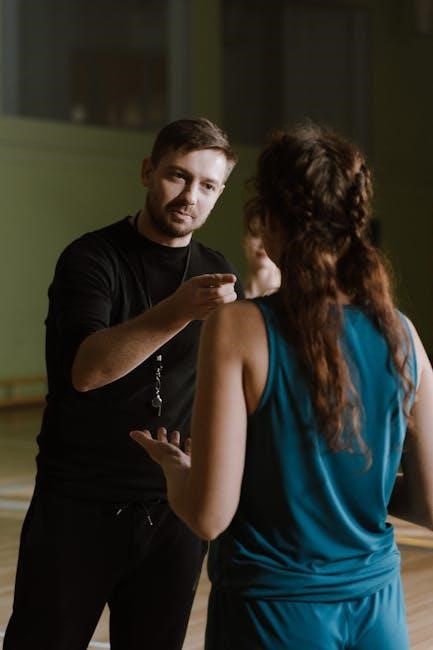
PDF resources can help coaches navigate hurdles like building trust‚ managing time‚ and overcoming resistance—key elements for successful implementation.
Building Trust and Rapport
Establishing a strong foundation of trust is paramount in Jim Knight’s coaching model. PDF guides often emphasize the importance of approaching coaching as partners‚ equals working collaboratively. Coaches must demonstrate genuine care for teacher growth‚ fostering a safe space for vulnerability.
Resources detailing the model highlight non-evaluative observation and active listening as crucial techniques. Consistent application of these principles‚ as outlined in available PDF materials‚ builds rapport and encourages teachers to embrace the coaching process‚ leading to impactful change.
Managing Time Constraints
Instructional coaching‚ even with PDF resources outlining efficient strategies‚ often faces time limitations. Jim Knight’s model acknowledges this‚ advocating for focused‚ high-impact interactions. PDF guides suggest prioritizing coaching cycles aligned with school goals‚ maximizing effectiveness within limited timeframes.
Strategic use of observation protocols and concise feedback‚ detailed in available PDF materials‚ streamlines the process. Coaches can leverage pre-observation planning and focused reflection to ensure valuable use of both teacher and coach time‚ fostering sustainable growth.
Overcoming Resistance to Change
Resistance to adopting new practices is common; Jim Knight’s model‚ often detailed in PDF guides‚ emphasizes partnership and equality to mitigate this. PDF resources highlight building trust through non-evaluative observation and active listening‚ fostering a safe space for vulnerability.
Addressing concerns with empathy and collaboratively exploring benefits‚ as outlined in PDF materials‚ is crucial. Framing coaching as professional learning‚ not assessment‚ encourages buy-in and reduces defensiveness‚ ultimately leading to successful implementation.
The Future of Instructional Coaching
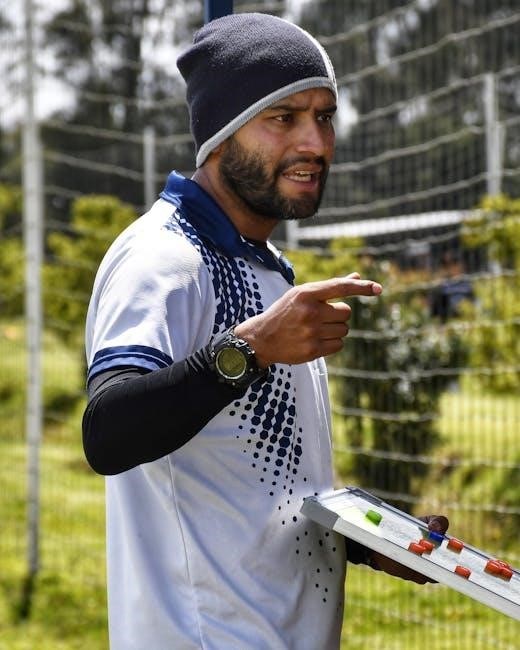
AI integration may enhance Jim Knight’s coaching cycles‚ with PDF resources evolving to reflect these changes and support teacher growth effectively.
The Role of AI in Coaching
Artificial Intelligence is poised to revolutionize instructional coaching‚ potentially augmenting Jim Knight’s established model. AI-driven tools can analyze classroom data‚ offering personalized insights for teachers and coaches‚ and even guiding coaching cycles—often accessed via PDF guides.
These technologies can assist in identifying focus areas‚ suggesting research-based strategies‚ and providing formative feedback. However‚ the core principles of partnership and dialogue‚ central to Knight’s work‚ must remain paramount. PDF resources will likely adapt to incorporate AI’s capabilities‚ offering blended learning approaches for professional development.
Trends in Professional Development
Current professional development leans towards personalized‚ job-embedded learning‚ aligning with Jim Knight’s coaching philosophy. A shift from one-size-fits-all workshops to ongoing‚ individualized support is evident‚ often documented in accessible PDF formats.
Micro-credentials and blended learning models are gaining traction‚ offering flexible pathways for teacher growth. Coaches utilize research-based practices‚ and resources like PDF guides from Jim Knight provide frameworks for effective implementation. Emphasis is placed on collaborative inquiry and data-driven decision-making.