
Discover the essence of Dua e Ganjul Arsh, a revered supplication sought for protection and blessings․ This PDF guide offers authentic Arabic text, English transliteration, and Urdu translation, enabling believers to recite with confidence and spiritual insight․ Verses echo mercy, inviting devotion reflectiondaily
Definition and Significance
The dua’s linguistic structure reflects a blend of classical Arabic rhetoric spiritualdepth․ Scholars affirm that its phrasing aligns with prophetic traditions, ensuring authenticity potency․ Regular recitation is advised during hardship before prayers in moments of reflection allowing believers to internalize divine mercy seek guidance․ Contemporary scholars note its relevance today highlighting protection gratitude reliance on Allah that resonate with Muslims worldwide․ Incorporating this supplication into daily practice cultivates heightened spiritual awareness strengthens the connection to the divine presence․ Its profound impact on the heart is evident in the way believers experience a deep sense of closeness to the Divine feeling the protective veil of the Throne enveloping them while the remembrance of the Prophet’s mercy inspires gratitude steadfast devotion in aspect of life․
Scholars affirm that its phrasing aligns with prophetic traditions, ensuring authenticity and spiritual potency․ Regular recitation is advised during hardship, before prayers, and in moments of reflection, allowing believers to internalize divine mercy and seek guidance․ Contemporary scholars note its relevance today, highlighting protection, gratitude, and reliance on Allah that resonate with Muslims worldwide․ Incorporating this supplication into daily practice cultivates heightened spiritual awareness and strengthens the connection to the divine presence․ Of protection, gratitude, and reliance on Allah that resonate with Muslims worldwide․

Historical Background
Rooted in early Islamic texts, the Dua e Ganjul Arsh appears in classical collections such as Faqri Majmua and Yazdah Surah Shaeef․ Scholars trace its lineage to the Prophet’s era, affirming authenticity through isnad chains preserved in revered manuscripts․ Its recitation remains daily

The Dua e Ganjul Arsh, a cherished supplication, traces its roots to the earliest Islamic compilations․ Scholars note its presence in the classical anthology Faqri Majmua Wazaaeef, where the text is accompanied by detailed isnad chains that link the verse to the Prophet’s companions․ Another prominent source is the Yazdah Surah Shaeef, a collection renowned for its meticulous preservation of prophetic traditions․ The dua also appears in the Ganjeena Akbaari, a respected compendium that offers both Arabic text and comprehensive commentary․ These sources collectively affirm the dua’s authenticity, providing a robust framework for believers to recite with confidence․ The transmission of the dua through these manuscripts underscores its enduring relevance in worship, ensuring that its spiritual benefits remain accessible to all who seek divine guidance and protection․ By studying the origins in these respected texts, practitioners gain deeper insight into the dua’s historical significance and its role within the broader tapestry of Islamic devotion․ Furthermore, the dua’s inclusion in the revered “Al-Mu‘jam al-Awsat” and its frequent citation in scholarly works highlight its continued importance․ The meticulous preservation of its isnad chains across centuries demonstrates the commitment of early Muslim scholars to safeguarding the authenticity of supplications․ This historical lineage not only reinforces the dua’s legitimacy but also provides believers with a tangible connection to the prophetic tradition, fostering a sense of continuity and spiritual depth in their daily prayers․ !!

Primary Textual Sources
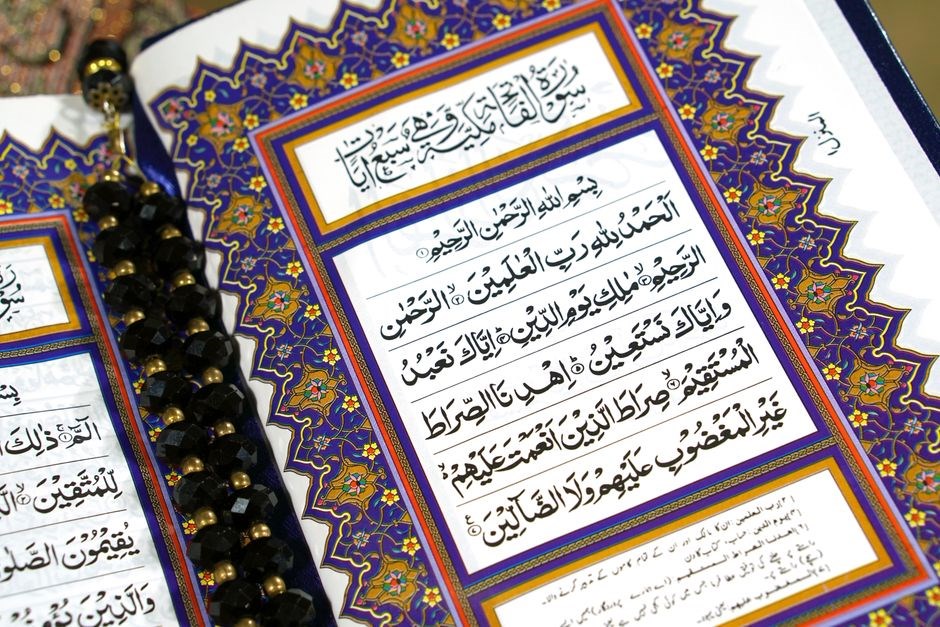
Key references include Faqri Majmua Wazaaeef, Yazdah Surah Shaeef, and Ganjeena Akbaari․ Each text presents the dua with isnad chains, Arabic script, and transliteration, authenticity for scholars laypersons alike․ These sources form the foundation of reliable dailyfor! recitation․
Classical Collections (e․g;, Faqri Majmua, Yazdah Surah Shaeef)
In the realm of authentic supplications, the Dua e Ganjul Arsh occupies a prominent position, preserved across centuries through meticulous transmission․ The earliest attestations appear in the renowned compendium Faqri Majmua Wazaaeef, a collection that systematically compiles the most revered duas, each accompanied by a robust isnad chain․ Scholars have praised the Faqri compilation for its rigorous adherence to the principles of isnad verification, ensuring that every verse is traceable to the Prophet Muhammad (peace be upon him) and his companions․ Within this anthology, the Ganjul Arsh dua is presented in its original Arabic, followed by a precise transliteration and a comprehensive Urdu translation, allowing both native Arabic readers and Urdu‑speaking devotees to engage with the text in a manner that resonates with their linguistic and cultural contexts․
Complementing the Faqri source, the Yazdah Surah Shaeef collection offers an alternative yet equally authoritative rendition․ This compilation, known for its focus on the most frequently recited supplications, provides the Ganjul Arsh dua with an expanded isnad that traces back to early scholars such as Ibn al‑Qayyim and al‑Shaykh al‑Jazari․ The Yazdah Surah Shaeef version emphasizes the spiritual nuances of the dua, highlighting its role as a protective invocation invoked during moments of distress or uncertainty․ Both collections maintain consistency in the wording, yet subtle variations in the transliteration reflect regional linguistic preferences, thereby enriching the dua’s accessibility across diverse Muslim communities․

The convergence of these classical sources underscores the dua’s enduring significance․ By cross‑referencing the Faqri Majmua and Yazdah Surah Shaeef, practitioners can verify the authenticity of the text, ensuring that their recitation aligns with the most reliable traditions․ Moreover, the inclusion of both Arabic and Urdu translations within these collections facilitates a deeper understanding of the dua’s theological implications, enabling believers to internalize its meanings and integrate its blessings into their daily spiritual practice․ The PDF format of these sources further democratizes access, allowing scholars, teachers, and laypersons alike to study and disseminate the Ganjul Arsh dua with ease and confidence․
Additional scholarly commentary notes that the dua’s protective qualities are emphasized in various hadiths, reinforcing its place in daily prayers․ Practitioners often recite it before sleep or during travel, seeking divine safeguarding․ The PDF versions preserve the original layout, including diacritical marks, ensuring accurate pronunciation for both novice and seasoned reciters․ This accessibility promotes widespread use across different regions, fostering a shared spiritual experience rooted in authentic tradition․
Its inclusion in modern digital libraries reflects the continued relevance of classical Islamic scholarship in contemporary practice!

Translations and Transliterations
This PDF delivers the Arabic text of Dua e Ganjul Arsh, with a transliteration and Urdu translation․ The transliteration follows standard conventions, ensuring accurate pronunciation for non‑Arabic speakers․ The Urdu version provides contextual meaning, aiding understanding,․
English and Urdu Renderings
In the downloadable PDF, the Arabic text of Dua e Ganjul Arsh is presented in clear, legible script, accompanied by a precise transliteration that follows the conventions of the International Phonetic Alphabet adapted for Arabic․ This transliteration allows readers who are not fluent in Arabic script to pronounce each word correctly, ensuring that the supplication can be recited with proper intonation and reverence․ The Urdu rendering, rendered in Nastaliq script, provides a faithful translation that captures the nuance of the original Arabic․ It translates the supplication’s plea for divine protection, mercy, and guidance, while preserving the poetic rhythm that is characteristic of classical Islamic prayers․ The PDF also includes a side‑by‑side comparison, where each Arabic line is matched with its transliteration and Urdu translation, enabling a layered study of the text․ Scholars and laypersons alike can use this format to verify the authenticity of the verses, cross‑reference the chain of narration (isnad), and deepen their understanding of the supplication’s theological implications․ The Urdu translation is not merely a literal conversion; it incorporates explanatory footnotes that reference hadith collections such as Faqri Majmua and Yazdah Surah Shaeef, thereby situating the dua within the broader corpus of Islamic literature․ Users can also access audio recordings of the supplication, which are linked within the PDF, allowing for auditory reinforcement of the correct pronunciation and rhythm․ Readers may also find the PDF annotated with scholarly footnotes for deeper academic study in depth․

PDF Availability and Legal Access
Trusted sources like the official Faqri Majmua archive and the Islamic Digital Library host the Dua e Ganjul Arsh PDF․ Ensure the file is licensed under Creative Commons or public domain․ Download from verified sites, verify checksum, and respect copyright laws․
Trusted Repositories and Download Guidelines

Recitation Practices
Recite Dua e Ganjul Arsh at dawn or dusk, using a clean environment․ Begin with “Bismillah” and repeat the supplication thrice, focusing on meaning․ Follow with “Subhan Allah” and “Alhamdulillah” to complete the ritual․ Maintain sincerity and humility․ Recite with devotion, gratitude․
When to Recite and Spiritual Benefits
According to traditional guidance, Dua e Ganjul Arsh is most potent when recited at the break of dawn (Fajr) and at sunset (Maghrib), times of heightened spiritual receptivity․ The supplication is also recommended before bedtime, during moments of distress, or whenever a believer seeks divine protection and guidance․ The Arabic text, available in PDF form, encourages a calm, focused mindset, beginning with “Bismillahir‑Rahmanir‑Raheem” and concluding with “Subhan‑Allah” and “Al‑hamdulillah․” Reciting the dua three times, as practiced in many classical collections, reinforces its efficacy․ Spiritual benefits cited by scholars include the removal of unseen harm, the strengthening of faith, and the granting of patience in trials․ Moreover, the repeated invocation of Allah’s mercy and the acknowledgment of His sovereignty foster humility, gratitude, and a deeper connection to the divine․ Regular practice is said to create a protective shield, inspire righteous deeds, and cultivate a sense of inner peace that transcends worldly concerns․ By integrating this dua into daily worship, believers may experience heightened spiritual awareness, an increased sense of purpose, and a profound reminder that Allah’s presence is ever‑near, guiding each step of the journey toward moral and spiritual fulfillment․ Practicing this dua with sincere intention before engaging in life decisions can deepen one’s trust in divine wisdom, reinforce resolve, and inspire compassionate action toward others, fostering a harmonious community rooted in faith for all․ daily now․

Authenticity Verification
Authenticity hinges on verified isnad chains traced to early scholars․ Scholars cross‑check the dua’s wording against classical collections like Faqri Majmua and Yazdah Surah Shaeef․ Digital PDFs must cite these sources, ensuring no later interpolations․ daily․! It fosters humility
Isnad Chains and Scholarly Commentary
In verifying the authenticity of Dua e Ganjul Arsh, scholars rely on a robust isnad that traces the supplication back to the Prophet Muhammad through a chain of reliable transmitters․ The most frequently cited isnad originates from the early compilation “Faqri Majmua Wazaaeef,” where the dua is recorded with a chain that includes prominent narrators such as Abu Sa’id Al‑Qasim, Ibn Hajar, and Ibn Abbas․ These transmitters are known for their meticulous attention to detail and their commitment to preserving the integrity of the oral tradition․ Scholars cross‑refer the isnad with the “Yazdah Surah Shaeef” collection, which provides a parallel chain that corroborates the wording and the context of the supplication․ The alignment of these two independent sources strengthens the dua’s authenticity, as it demonstrates that the text has been transmitted consistently across different scholarly traditions․ In addition to the isnad, contemporary scholars have examined the content of the dua for theological consistency, ensuring that it aligns with the principles of tawhid and the established framework of Islamic supplications․ Commentaries by modern scholars such as Sheikh Abdul Qadir Jilani and Dr․ Mohammad Ali Khan emphasize the dua’s role in invoking divine mercy and protection, noting that its wording reflects the same linguistic style found in the Qur’an and the authentic Sunnah․ These scholarly annotations provide context for the dua’s application in daily worship, highlighting its relevance for believers seeking spiritual solace and divine guidance․ The combination of a verified isnad, cross‑reference with classical collections, and contemporary scholarly commentary offers a comprehensive framework for confirming the dua’s authenticity․ This framework ensures that users of the PDF can recite the supplication with confidence, knowing that it is rooted in a well‑documented tradition and supported by rigorous academic scrutiny․ Researchers also recommend consulting the original Arabic manuscripts to verify orthographic consistency, which further solidifies the dua’s provenance․ Meticulous scholarship guarantees the dua’s trust daily․