
This overview introduces instrumental analysis fundamentals, emphasizing modern techniques, practical applications, and the role of the PDF edition in contemporary chemistry education and laboratory workflows worldwide today.
1.1 Authors, Publisher, and Publication Context
Principles of Instrumental Analysis, 7th Edition, is authored by Douglas A. Skoog, F. James Holler, and Stanley R. Crouch. The text is published by Cengage Learning under the Brooks/Cole imprint, a longstanding source for chemistry and analytical science curricula. First released in earlier editions, the seventh version reflects updates in detector technology, data processing, and regulatory standards. It serves as a bridge between classical wet chemistry and modern computerized instrumentation, offering both theoretical foundations and practical examples relevant to academic laboratories and industrial settings.
The seventh edition builds on decades of classroom feedback, incorporating revised end-of-chapter problems, updated schematic diagrams, and expanded coverage of mass spectrometry, atomic spectroscopy, and electrochemical sensors. Instructors often adopt the PDF format for its searchability and portability across devices, while students benefit from integrated hyperlinks to supplementary data sets. The ISBN for this edition facilitates library acquisition and course adoption, ensuring that learners access a vetted, peer-reviewed resource aligned with current accreditation guidelines.
The PDF edition supports keyword search, offline notes, and reading on phones, tablets, and laptops while preserving original page layout and high-resolution figures for accurate citation. Students value portability for class and lab every day.
1.2 Scope and Target Audience
This textbook covers the theory and practice of modern instrumental methods, including spectroscopy, electrochemistry, chromatography, and electrophoresis. It is designed for upper-level undergraduate chemistry majors and first-year graduate students who have completed general chemistry and quantitative analysis. Practicing laboratory scientists and technicians also use it as a reference for method selection, instrument calibration, and data interpretation. The scope emphasizes fundamental principles rather than exhaustive instrument manuals, helping readers adapt to new technologies as they emerge.
Each chapter balances mathematical descriptions with real-world examples, making the material accessible to readers with basic calculus and physics backgrounds. Instructors can assign sections for lecture, laboratory preparation, or independent study. The PDF format supports keyword searching and annotation, which benefits distance learners and professionals needing quick access to specific techniques during method development or troubleshooting.
The text assumes familiarity with basic chemical equilibria and solution stoichiometry. It targets students preparing for careers in research, quality assurance, or regulatory compliance. Laboratory instructors may select chapters that match course schedules, while independent learners can use the index and glossary to locate specific topics quickly. It offers practice problems and online resources for study .
Major Subject Areas in the 7th Edition
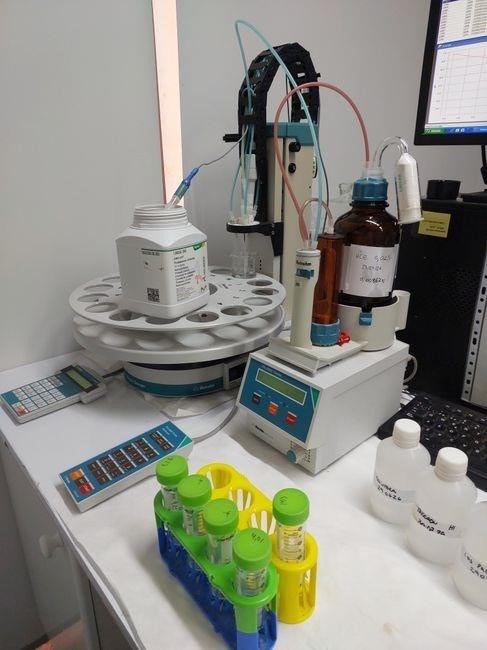
This section surveys core instrumental techniques including optical spectroscopy, electrochemical methods, chromatography, and electrophoresis. Each area emphasizes theory instrumentation, and practical applications relevant to modern chemical analysis.

2.1 Spectroscopy and Optical Methods
This chapter examines ultraviolet-visible, infrared, atomic absorption, emission, fluorescence, and Raman spectroscopy; It details instrument components including radiation sources, wavelength selectors, sample holders, detectors, and readout devices. Quantitative methods, calibration strategies, and interference correction are illustrated with numerical examples.
- UV-Vis absorption and Beer-Lambert law applications
- Infrared spectroscopy for functional group identification
- Atomic spectroscopy for trace metal determination
- Molecular fluorescence and phosphorescence techniques
- Raman spectroscopy and complementary vibrational analysis
Modern spectrometers integrate microprocessor control, data storage, and spectral libraries for rapid identification. Calibration standards, blank corrections, and signal-to-noise optimization are essential for accurate results. Safety considerations include proper handling of lasers, UV lamps, and hazardous sample matrices. The PDF format allows keyword searching, annotation, and portable access to figures and equations across devices.
Instructors often assign problem sets that require calculating absorbance, transmittance, and concentration from raw spectral data.
Calibration curves relate instrument response to analyte concentration using standard solutions prepared at multiple levels for quantitative accuracy here.
Review problems test skills.
2.2 Electrochemical Analysis
This section covers potentiometry, voltammetry, coulometry, and conductometry. It explains electrode types, reference electrodes, cell design, and the Nernst equation. Students learn to measure pH, ion concentrations, and redox processes using modern electrochemical cells.
- Potentiometric sensors and ion-selective electrodes
- Cyclic voltammetry and stripping methods
- Coulometric titrations and Faraday’s law
- Conductivity measurements and cell constants
Instrumentation includes potentiostats, galvanostats, three-electrode configurations, and data acquisition software. Calibration with standard buffers and validation of electrode response ensure reliable measurements. Safety notes address handling of corrosive electrolytes and proper waste disposal.
The PDF edition supports searchable equations, linked references, and portable study across devices for laboratory and classroom use.
Electrochemical techniques measure current, potential, or charge to identify and quantify analytes. Electrode selection, solution resistance, and reference stability influence data quality. Students practice standard addition, calibration curves, and recovery studies to validate methods.
- Potentiometric ion-selective probes
- Voltammetric trace metal detectors
- Coulometric moisture analyzers
Accurate record keeping supports reproducibility and troubleshooting academic laboratories.
tests
2.3 Chromatography and Electrophoresis
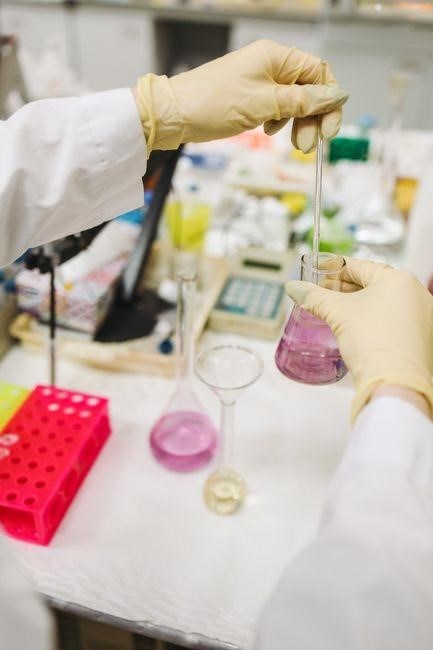
This chapter explains separation science, including gas chromatography, liquid chromatography, thin-layer chromatography, and capillary electrophoresis. It describes stationary and mobile phases, retention mechanisms, resolution, and detector selection.
- Gas chromatography columns and temperature programming
- High-performance liquid chromatography pumps and injectors
- Ion-exchange and size-exclusion mechanisms
- Capillary zone electrophoresis and electroosmotic flow
Instrumentation covers autosamplers, column ovens, UV-Vis and mass spectrometric detectors, and data integration software. Method development emphasizes sample preparation, mobile-phase optimization, and validation parameters such as linearity, precision, and limit of detection.
The PDF format allows keyword searching, annotation, and offline access to chromatograms and electropherograms for laboratory reference.
Electrophoretic techniques separate charged molecules based on size and charge under an electric field. Applications include protein analysis, DNA fragment sizing, and pharmaceutical purity testing.
Troubleshooting tips address peak tailing, baseline drift, and poor resolution. Adjusting pH, ionic strength, or column temperature often improves separation. The PDF includes hyperlinked figures, searchable tables, and printable worksheets for student practice.
Check calibration before each run.
Accessing the 7th Edition PDF Legally
Purchase the e-book from official retailers or access through your university library. Legal PDF copies respect copyright and support authors.
Use official e-book stores or library databases for lawful PDF access. Respect copyright and authors!!!
3.1 Official Digital Retailers and E-book Formats
Students can obtain the textbook through authorized vendors such as the publisher’s website, major academic e-book platforms, and recognized online bookstores. Common formats include PDF, EPUB, and proprietary reader files, each offering searchable text, adjustable fonts, and offline access. Institutional licenses may provide campus-wide access, while individual purchases grant personal use rights. Always verify that the seller is legitimate to avoid unauthorized copies and ensure access to updates, supplements, and publisher support.
Digital editions are compatible with desktops, tablets, and e-readers, allowing annotations, highlighting, and synchronization across devices. Some platforms apply digital rights management, limiting printing or copying, while others provide DRM-free files for greater flexibility. Check file size, download limits, and refund policies before purchasing. Libraries may offer temporary loans through licensed platforms, ensuring equitable access for students who cannot buy a personal copy.
Popular sources include the publisher’s official store, Amazon Kindle, Google Play Books, VitalSource, and RedShelf. Each platform offers distinct pricing, rental options, and reading apps. Verify edition compatibility and ISBN before completing a transaction to ensure you receive the correct version.
Contact support for download issues, access codes, and device questions. Keep your receipt handy now today!
3.2 Institutional Library Access
University and college libraries often provide licensed digital copies of instrumental analysis textbooks through e-reserve systems, library databases, or course reserves. Students can access the PDF via institutional login credentials, sometimes with chapter-level downloads or limited-time loans. Access may be restricted to campus networks or require VPN connections for off-campus users.
Librarians can assist with locating the correct edition, resolving access errors, and requesting interlibrary loans if the digital version is unavailable. Some libraries maintain physical copies alongside digital licenses, ensuring multiple pathways for study. Always check the library catalog for ISBN 978-1-305-… and verify publisher permissions before downloading or printing.
Library access policies differ by institution, with some offering unlimited simultaneous users and others restricting concurrent access to a single reader. Digital rights management may limit printing, copying, or offline viewing, so students should review the license terms before relying on the PDF for coursework. Campus computing labs often provide pre-installed reading software, while personal devices may require specific apps or browser plugins. Librarians can help troubleshoot login problems, verify entitlement, and suggest alternative formats if the PDF is incompatible with assistive technologies. Students should save their library card number and PIN for quick future access. Contact help desk for access issues soon…
Study Strategies Using the PDF
Use bookmarks for chapters, highlight key equations, and search keywords quickly. Annotate margins with questions, solve end-of-chapter problems, and review summaries before exams for active learning.
Use search to locate topics fast and make notes daily!!
4.1 Working with End-of-Chapter Exercises and Supplements
Begin each problem set by reviewing the corresponding chapter summary in the PDF. Attempt every exercise without consulting the solutions manual first, then mark difficult items for later review. Use the built-in search to locate related examples and equations quickly. Supplements such as data sets, spreadsheet templates, and online simulations reinforce concepts like calibration curves and signal-to-noise ratios; Compare your answers with the provided key, analyze any mistakes, and rewrite incorrect steps in your own words. Pair textbook problems with laboratory reports to connect theory with practice. Schedule short, regular study sessions rather than cramming, and track progress in a dedicated notebook or digital file.
Supplements include instructor solution manuals, companion websites, and interactive quizzes. Download any available data files and import them into spreadsheet software for hands-on calculation practice. When solving numerical problems, document each step, state assumptions clearly, and verify units before finalizing results. Form study groups to discuss challenging questions, but write individual solutions to ensure personal mastery. Revisit incorrect problems after one week to reinforce long-term retention. Use PDF annotation tools to flag exercises that require additional instructor clarification.
Weekly review of flagged problems turns errors into expertise and confidence for all daily learners today.

Ethical Use and Alternative Resources
Respect intellectual property by accessing the textbook through channels. Avoid unauthorized file sharing. Explore free educational alternatives, library reserves, and publisher platforms, for compliant study materials. Access legally via library ok.

5.1 Copyright Considerations for PDF Sharing
Distributing the Principles of Instrumental Analysis 7th Edition PDF without permission violates copyright law and publisher terms. The textbook is protected intellectual property owned by authors and publishers. Unauthorized uploads to file-sharing sites, email distribution, or public repositories expose users to legal liability and academic penalties. Fair use exceptions are narrow and typically do not cover complete textbook sharing. Students should obtain access through legitimate channels such as institutional libraries, official e-book retailers, or course reserves. Respecting copyright supports creators and ensures continued publication of quality scientific resources.
Legal consequences for infringement may include fines, takedown notices, and restricted access to institutional networks. Libraries often provide licensed digital copies under specific terms that limit downloading and redistribution. Faculty members should place copies on course reserve rather than circulating unrestricted PDFs. Open educational resources offer lawful alternatives for supplementary learning without violating publisher rights.
- Verify the source before downloading any PDF copy
- Do not upload textbook files to public websites or forums.
- Cite the original work when using excerpts for research.
Always check your institution’s licensing agreement before sharing course materials with classmates or posting them online
5.2 Open Access Instrumental Analysis Texts
Open access textbooks provide lawful alternatives to commercial PDFs for students studying instrumental analysis. These resources are freely available online, often peer-reviewed, and cover spectroscopy, chromatography, electrochemistry, and microscopy. Platforms such as OpenStax, LibreTexts, and institutional repositories host chapters that complement standard coursework without copyright restrictions.
Unlike proprietary editions, open access materials can be downloaded, shared, and adapted for classroom use. Instructors may integrate specific modules into syllabi, while learners can access foundational theory and worked examples at no cost. Some open texts include interactive simulations and datasets for hands-on practice.
- OpenStax Chemistry and analytical science modules
- LibreTexts Analytical Chemistry Library
- Directory of Open Access Books (DOAB)
- University-based open textbook initiatives
While open access texts may not match the exact chapter sequence of the seventh edition, they offer valuable supplementary material for independent study and laboratory preparation.
Open access instrumental analysis texts are available through repositories such as LibreTexts, OpenStax, and university digital libraries. These resources often carry Creative Commons licenses, allowing legal sharing and adaptation for teaching and self-study without violating publisher rights in modern lab course.